Fabric Banner or Double-Sided Vinyl? A Backdrop Buying Comparison
Choose a backdrop by how it will be viewed and mounted, then compare materials. Fabric and vinyl are not interchangeable labels for the same result. The relevant questions are whether viewers see one or both faces, whether light passes through and how the panel is supported.
Compare the job requirements
| Requirement | What to check | Why it matters |
|---|---|---|
| Two readable faces | Actual double-sided print option | An opaque backing is not a second printed image |
| Strong light behind display | Blockout construction and proof | Backlighting can change the appearance |
| Camera use | Surface sheen and lighting test | Reflections depend on placement and illumination |
| Existing frame | Finished size and attachment method | A print alone does not include a compatible stand |
| Repeated travel | Packing and storage instructions | Damage often happens between events |
When fabric belongs on the shortlist
Our blockout fabric banner is worth considering when its available configuration matches the display. Confirm print sides and finishing in that product’s builder. Do not infer a double-sided option from the word “blockout.” Blocking light and printing the reverse are separate properties.
When double-sided vinyl belongs on the shortlist
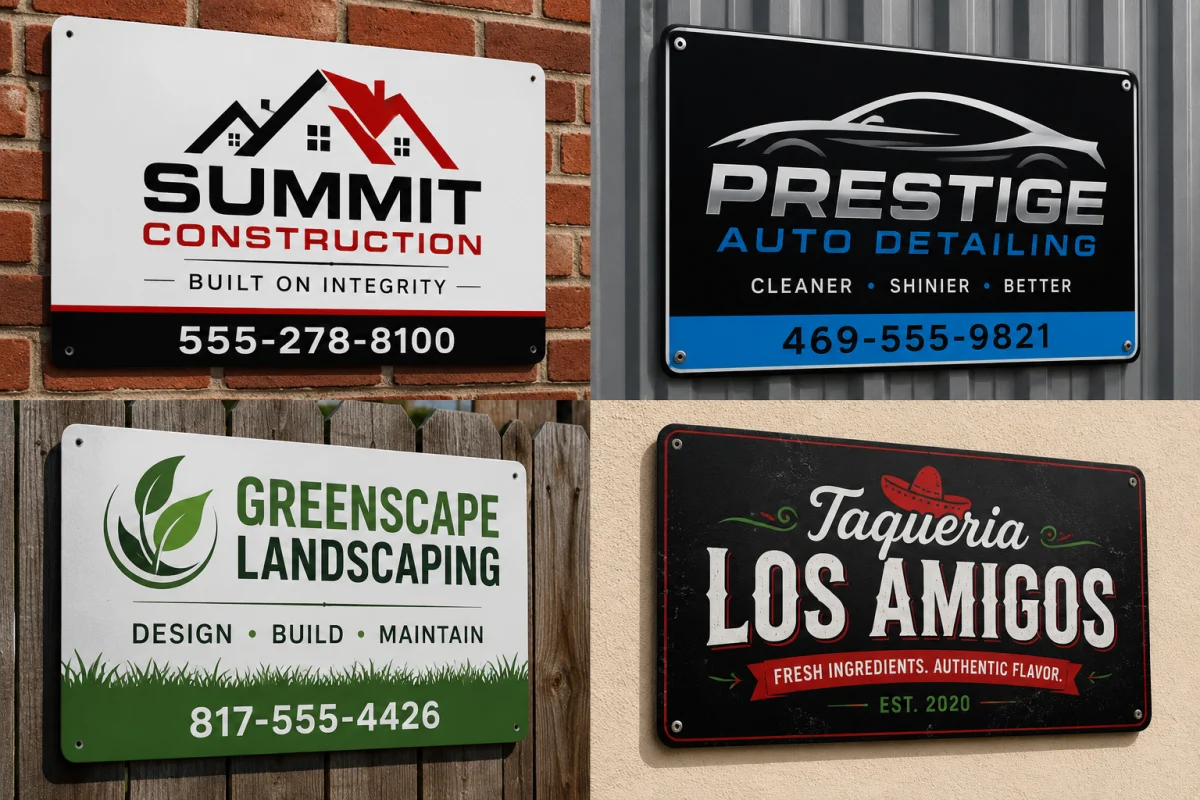
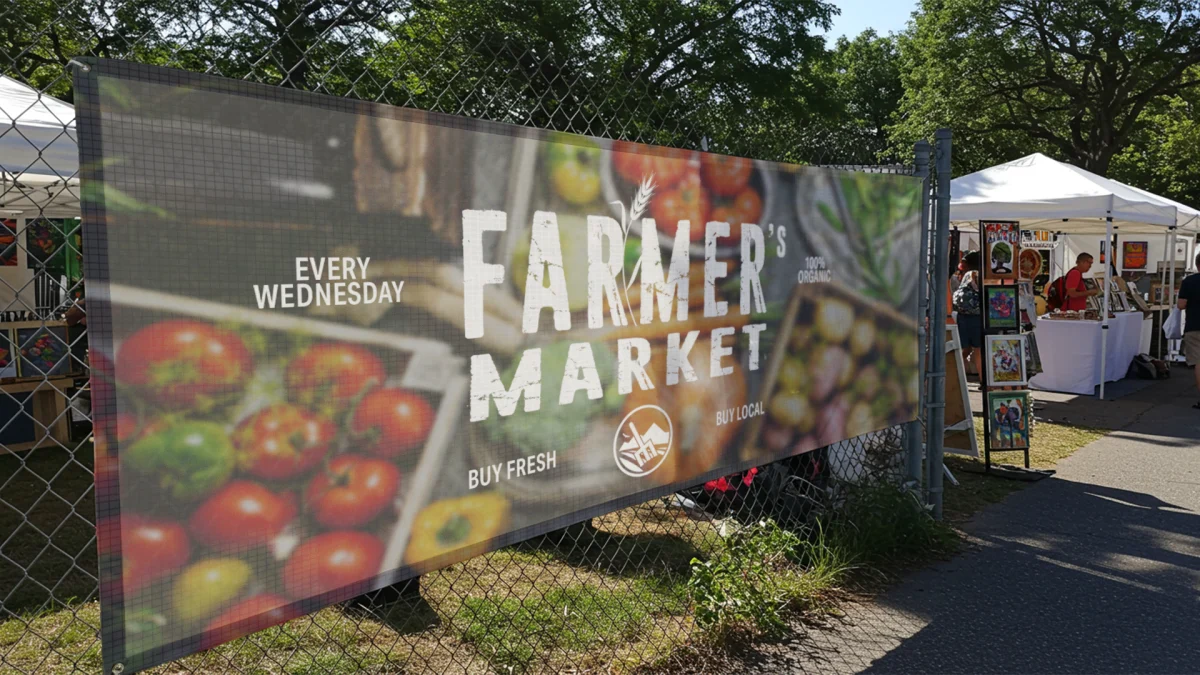
For our vinyl banner options, double-sided printing is offered in 18oz material. It is a distinct configuration from a single-sided 13oz or 15oz banner. Specify the front and back files, along with how the sign will be turned and viewed.
Build a useful sample brief
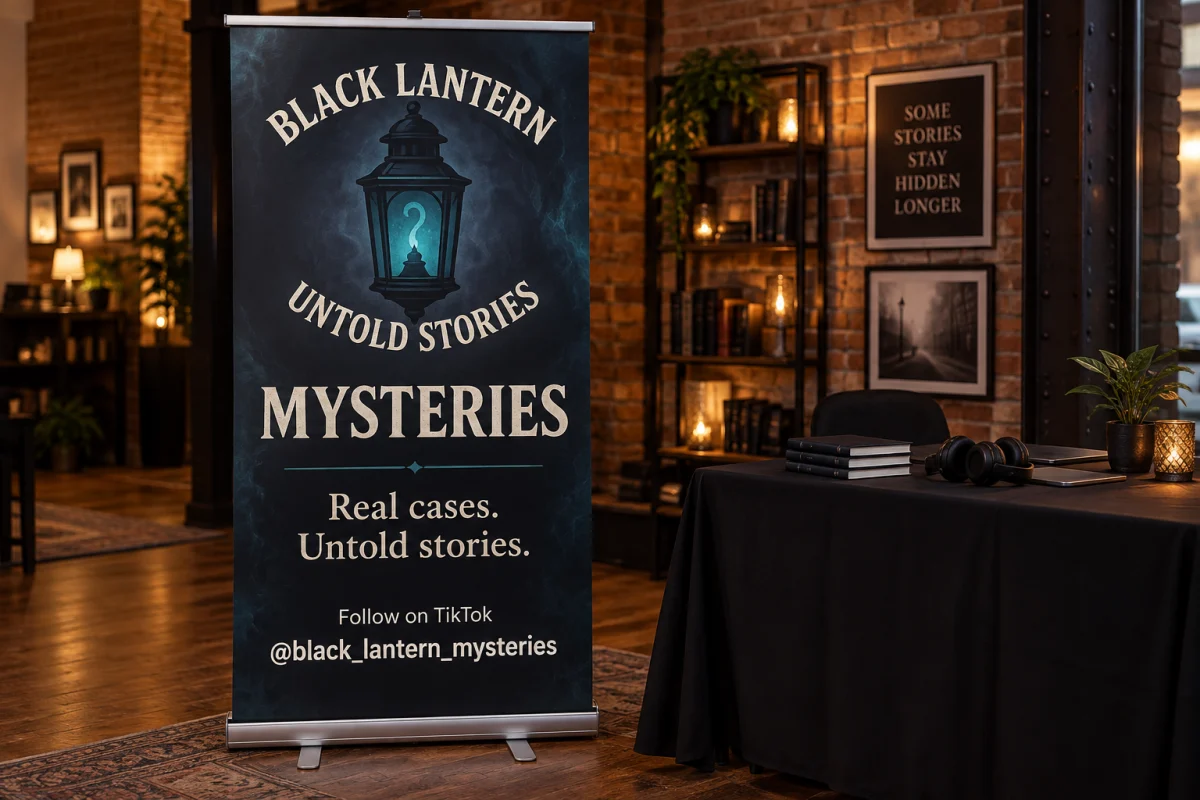
Write: “36 × 60 inches, viewed from both sides, suspended from an existing frame, indoor event lighting, separate artwork on each face.” That brief is much more useful than “premium backdrop.” It reveals whether a material’s available print and finishing options can do the job.
If the display will appear in photographs, check a sample under the actual lighting where possible. A material description alone cannot predict every glare angle or color appearance. Do not promise wrinkle-free results without considering handling and tension.
FAQ: Is the heavier option always better?
No. Added weight can affect the support requirements, while fabric may suit a different display system. Choose a complete material-and-mounting plan, then compare the configured total. Keep production timing separate from transit when arranging the event.